

Cooling the graft inside the body
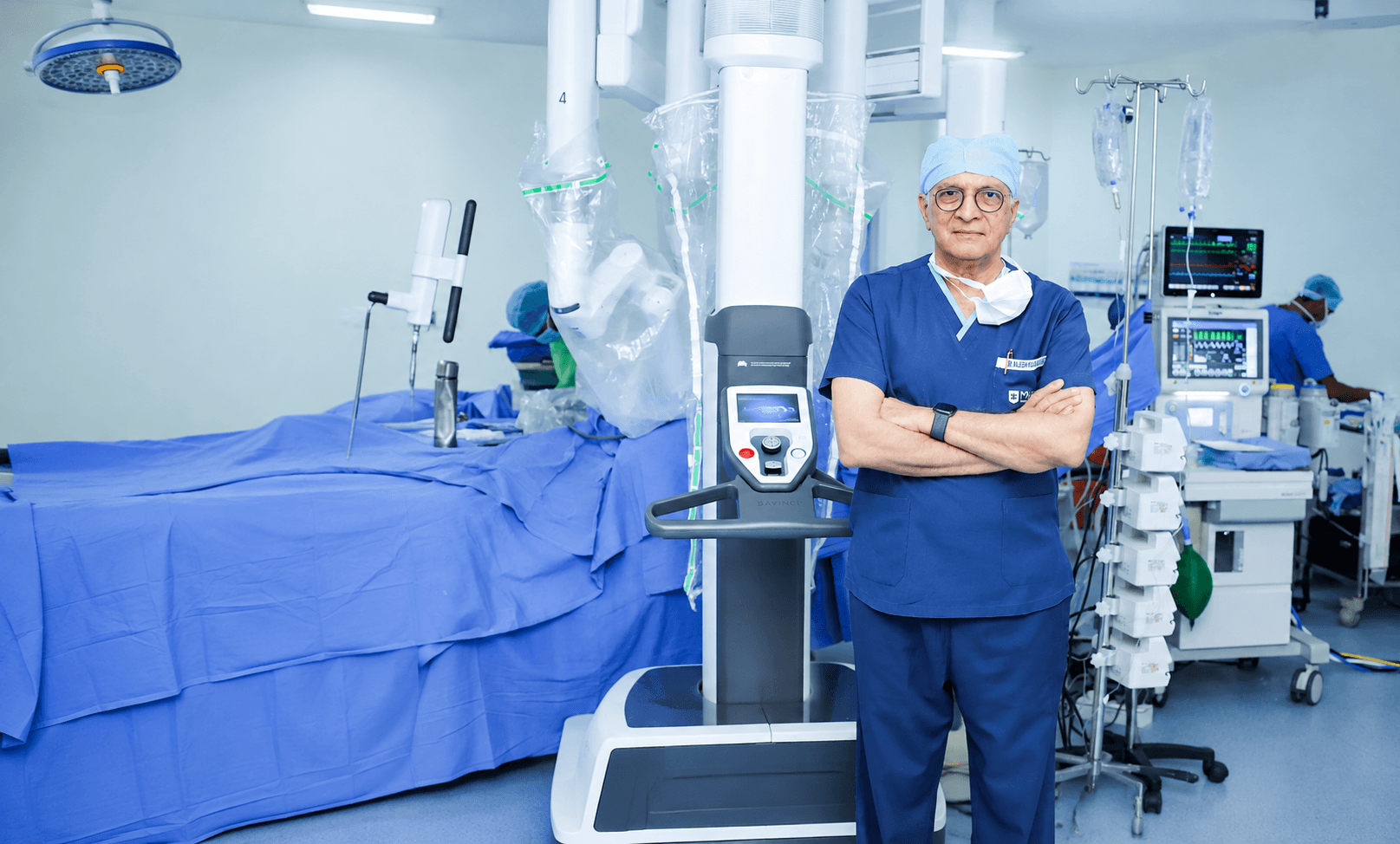
In robot-assisted kidney transplantation the donor kidney is positioned within the abdomen and cooled in place while the vascular anastomoses are completed. This intracorporeal regional hypothermia is the defining element of the Vattikuti Urology Institute–Medanta technique.

Why cooling the graft matters
Between the moment a donor kidney leaves cold storage and the moment it is reperfused, it has no circulation. Protecting the graft through that interval is long-established practice in open transplantation. The technical problem in a minimally invasive operation is how to maintain that protection once the kidney is inside the body — the problem regional hypothermia was developed to solve.

What it changes, and what it does not
The approach was designed to reduce incision-related morbidity in appropriately selected recipients. Open kidney transplantation remains the established standard of care, and further high-quality comparative evidence is required to define the broader role of the robotic approach.