Prostate Cancer
Comprehensive prostate cancer care from diagnosis through treatment — including transperineal targeted biopsy, robotic surgery, focal therapy and active surveillance.

Understanding Prostate Cancer
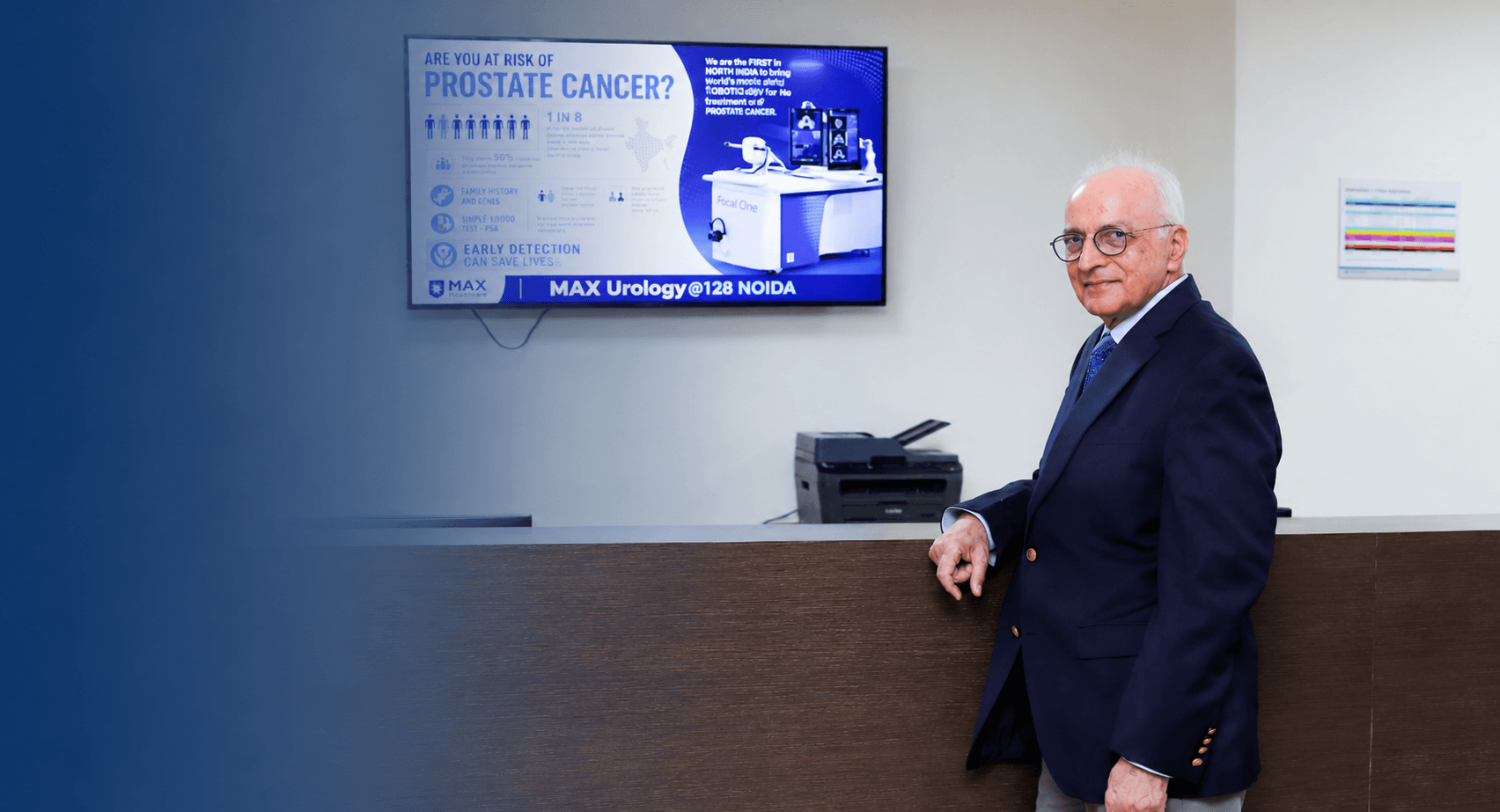
Prostate cancer is the most common solid organ cancer in men. It ranges from slow-growing tumours that may never cause harm to aggressive cancers that require prompt treatment. Modern diagnostic techniques — including multiparametric MRI and MRI-targeted transperineal biopsy — allow earlier and more accurate detection than ever before.
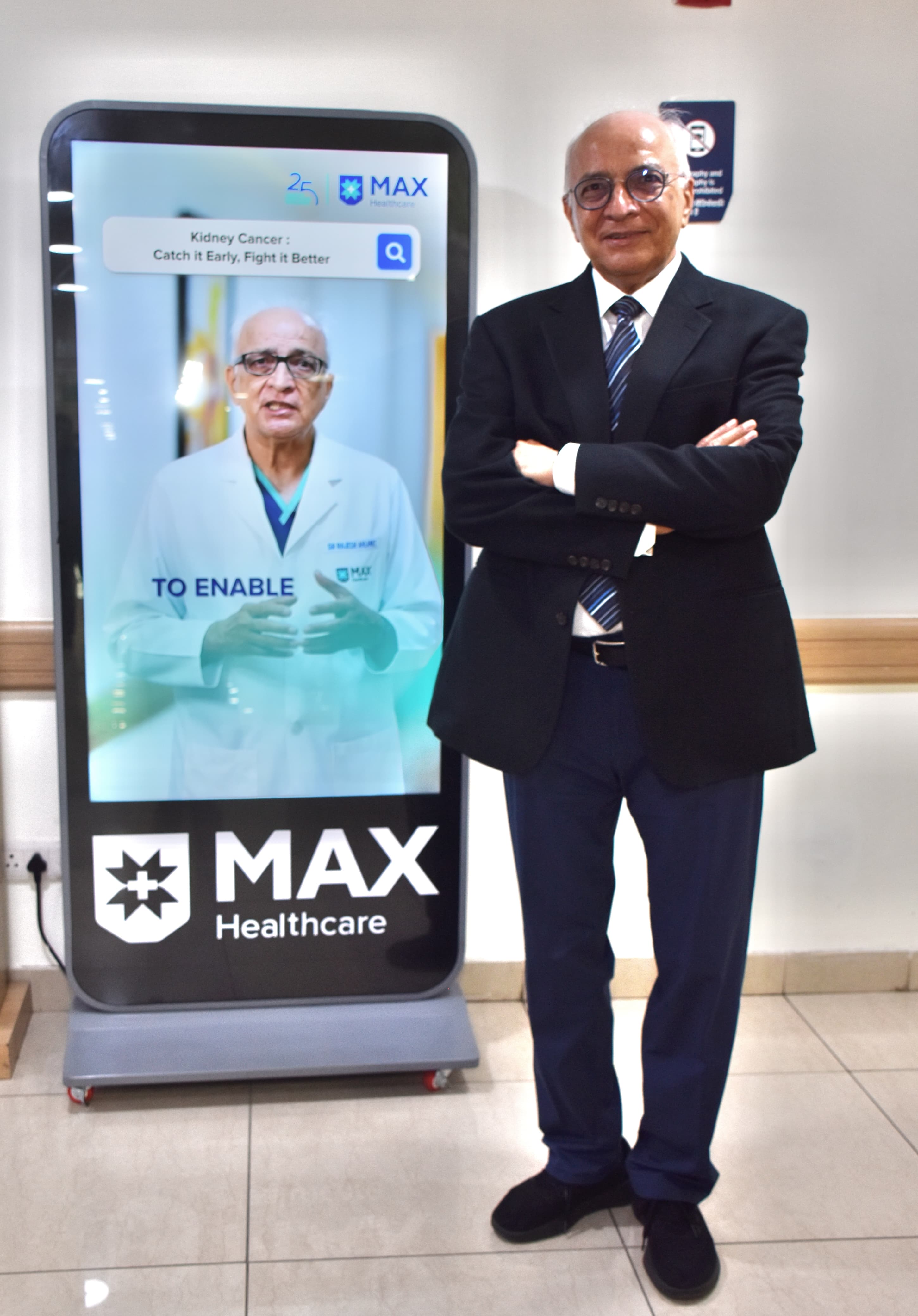
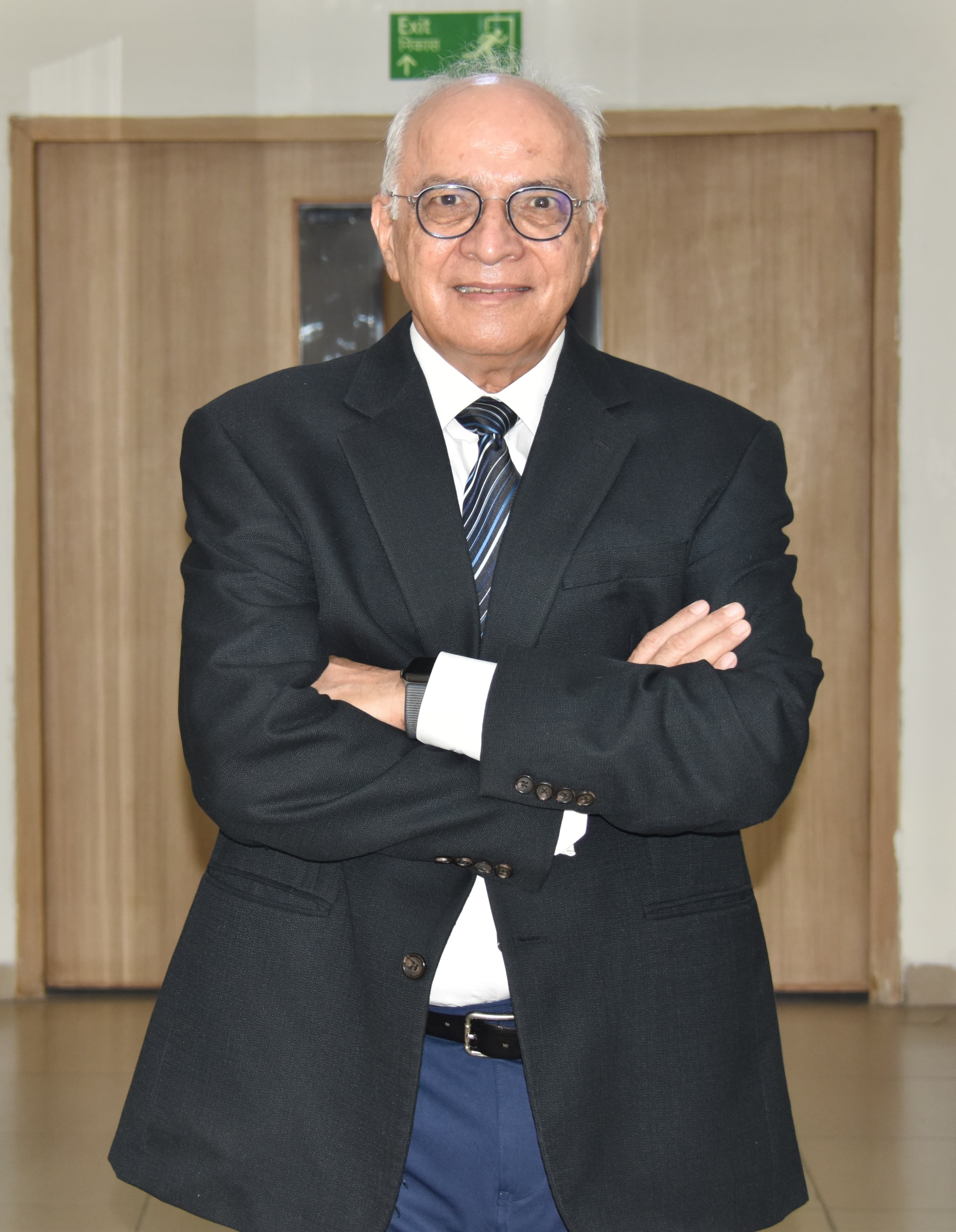
Dr. Ahlawat’s prostate cancer programme at Max Healthcare integrates advanced imaging, precision biopsy, robotic surgery, focal therapy, medical oncology, radiation oncology, genomics and theranostics into a single coordinated pathway. The goal is accurate diagnosis, appropriate treatment selection, and preservation of quality of life.
- Multiparametric MRI with PI-RADS scoring to identify clinically significant disease
- Transperineal MRI-targeted biopsy under local anaesthesia for greater accuracy and lower infection risk
- Multidisciplinary tumour board review before treatment decisions
Who May Benefit
A consultation may be appropriate for men who:
- Have a raised or rising PSA level, with or without symptoms
- Have an abnormal finding on digital rectal examination
- Have been diagnosed with prostate cancer and want to understand their treatment options
- Have low-risk prostate cancer and are considering active surveillance
- Have intermediate- or high-risk prostate cancer requiring definitive treatment
- Have been advised to have a prostate biopsy and want a second opinion
- Wish to explore focal therapy or nerve-sparing robotic surgery to preserve urinary and sexual function
When This Page May Not Apply
- Men with metastatic prostate cancer requiring systemic therapy as the primary treatment — these patients are best managed jointly with a medical oncologist
- Patients seeking radiation therapy as their primary treatment — a radiation oncology consultation would be more appropriate, though Dr. Ahlawat can advise on the comparative options
Available Treatment Alternatives
The right treatment depends on the cancer’s risk category, your general health, your preferences, and the impact on quality of life. Options discussed during consultation include:
Active Surveillance
For low-risk and selected favourable intermediate-risk cancers. Regular monitoring with PSA, MRI and repeat biopsy, with definitive treatment offered if the cancer shows signs of progression. Avoids the side effects of treatment for cancers that may never cause harm.
Robotic Radical Prostatectomy
Complete removal of the prostate using the da Vinci robotic system. Nerve-sparing techniques are used wherever oncologically safe to preserve urinary continence and sexual function. Dr. Ahlawat has extensive experience in both standard and Retzius-sparing approaches.
Focal Therapy and HIFU
Targeted destruction of the cancer within the prostate while preserving uninvolved tissue. Suitable for selected patients with localised, unilateral, low- to intermediate-risk disease. Preserves urinary and sexual function in the majority of cases.
Radiation Therapy
External beam radiotherapy (IMRT, SBRT) or brachytherapy, delivered by a radiation oncologist. Dr. Ahlawat can discuss comparative outcomes and help you understand when radiation may be a reasonable alternative to surgery.
Hormonal and Systemic Therapy
Androgen deprivation therapy, newer hormonal agents, and chemotherapy for advanced or metastatic disease, managed in coordination with a medical oncologist.
Investigations Usually Required
Before a treatment recommendation can be made, the following investigations are typically needed:
- PSA blood test — including PSA density and, where relevant, PSA kinetics (rate of change over time)
- Multiparametric MRI of the prostate — reported using the PI-RADS scoring system; ideally performed before biopsy
- Transperineal prostate biopsy — MRI-targeted plus systematic sampling, performed under local anaesthesia or sedation
- Histopathology review — Gleason score and Grade Group assignment from biopsy cores
- Staging investigations (if intermediate- or high-risk) — PSMA PET-CT or bone scan and CT of chest, abdomen and pelvis
- Genomic testing (selected cases) — Decipher, Oncotype DX or Prolaris to refine risk stratification
If you already have reports from outside, please bring them to your consultation. Investigations will not be repeated unnecessarily.
Important Limitations and Risks
Patients should understand the following before making a treatment decision:
- No treatment is without risk. Surgery, radiation, and focal therapy all carry specific side-effect profiles. These will be discussed in detail during consultation.
- Robotic prostatectomy — risks include temporary or permanent changes in urinary continence and erectile function. Nerve-sparing surgery reduces but does not eliminate these risks. Blood loss is typically very low; conversion to open surgery is rare.
- Focal therapy — may not be suitable for multifocal or bilateral disease. There is a risk of incomplete treatment requiring further intervention. Long-term oncological data is still maturing compared with surgery and radiation.
- Active surveillance — carries a small risk of missing a window for curative treatment if monitoring is not followed consistently.
- Biopsy — transperineal approach has a very low infection rate but may cause temporary blood in urine or semen, and mild perineal discomfort.
Dr. Ahlawat will explain the specific risks and benefits relevant to your individual situation.
What a Consultation Involves
A first consultation typically lasts 30 to 45 minutes and includes:
- Review of your medical history — including PSA history, any previous biopsies, imaging, and current medications
- Review of investigations — Dr. Ahlawat will review your MRI and biopsy results (or advise which investigations are needed)
- Clinical examination — a digital rectal examination if not recently performed
- Discussion of diagnosis and risk category — explaining what your results mean in plain language
- Treatment options — a clear explanation of all reasonable alternatives, including their pros, cons, and expected outcomes
- Your questions — time for you to ask anything you need to understand before making a decision
You are welcome to bring a family member or support person. If you are travelling from outside Delhi-NCR, please mention this when booking so that investigations can be coordinated efficiently.
Supporting References
The following published evidence supports the approaches described on this page. Each reference opens on PubMed in a new tab.
- Abdollah F, Arora S, Jindal T, Ahlawat R, et al. Utilization of pelvic lymph node dissection in patients undergoing robot-assisted radical prostatectomy in India versus the United States. Indian J Cancer. 2017;54(2):421–5. PMID: 29469070
- Bansal S, Gupta NP, Yadav R, Ahlawat R, et al. Multiparametric MRI–transrectal ultrasound fusion prostate biopsy: a prospective, single center study. Indian J Urol. 2017;33(2):134–9. PMID: 28469301
- European Association of Urology. Guidelines on Prostate Cancer. EAU–EANM–ESTRO–ESUR–ISUP–SIOG, current edition.
This page was last medically reviewed by Dr. Rajesh K. Ahlawat in August 2026. It is intended for general information only and does not constitute medical advice. Please consult a qualified specialist for personalised guidance.